Women Supporting Women: Why We Love to See it & Why We Need More of It
This one’s for the girls’ girls.
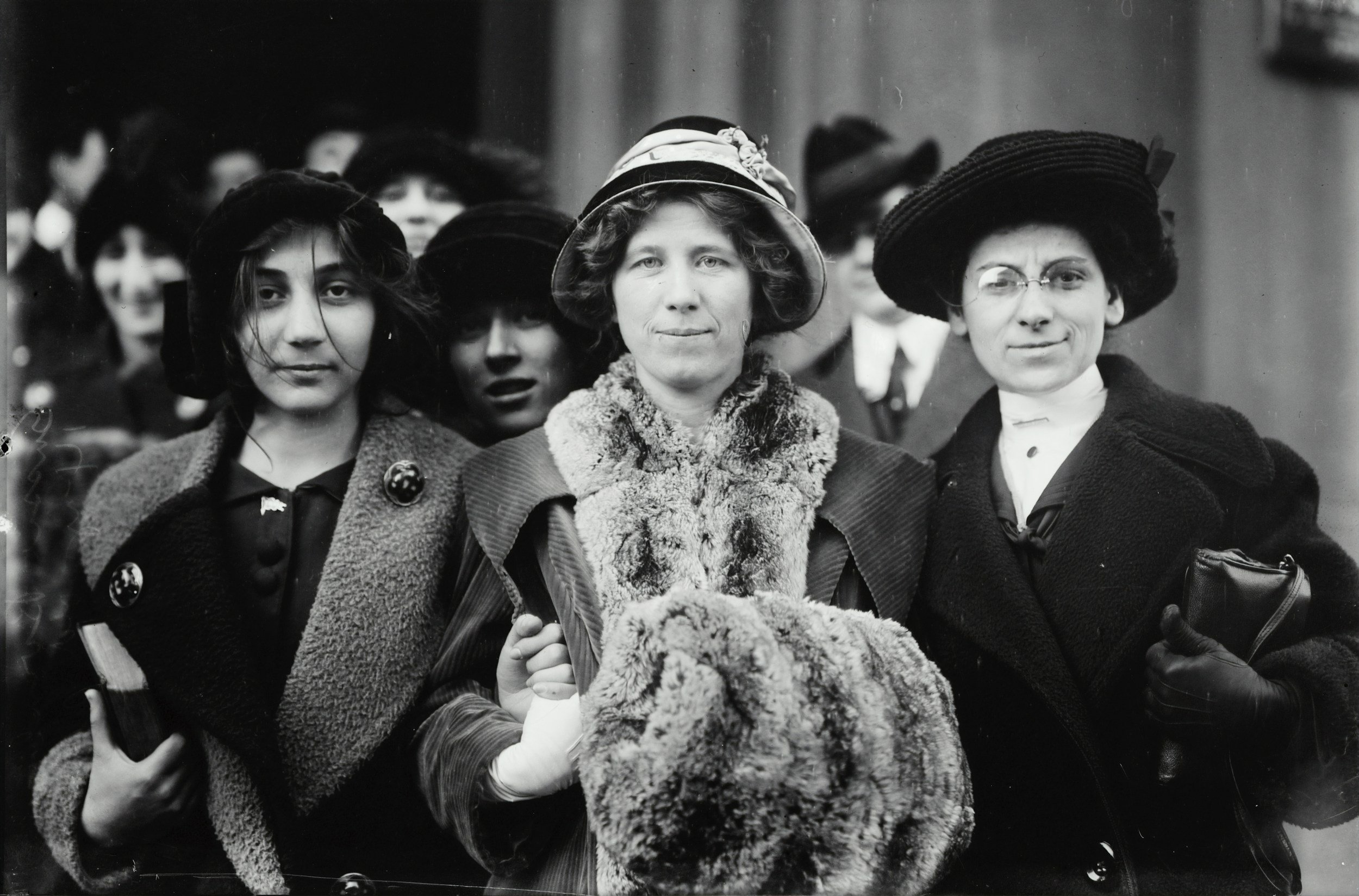
There’s something powerful about women showing up for each other. In a world that pushes us to compete for limited space, choosing collaboration and support can feel unfamiliar. But uplifting one another isn’t new; it’s something women have done for generations. Supporting other women doesn’t just help us individually; it strengthens our communities and paves the path for future women to follow.
Why Should Women Support Each Other?
Women in business have long been told that there’s only enough room for a few of us at the top. So it’s no surprise that many of us have developed a competitive edge. When you excel at something, it might feel natural to guard the secret to your success.
But the truth is, women thrive when we support one another, not when we shut each other out.
For every business or career move I make, it’s other women that I look to for advice, inspiration, and encouragement – even if it’s simply asking a friend for their opinion on my latest blog post. There’s something healing about supporting other women, whether it’s sharing your friend’s latest Substack article or recommending her services to everyone you know.
So down with the stereotypes of catty women and pick me girls. Here’s why I love to see women supporting women in business, and why you should too.
Life is sweeter with less competition
No, I’m not saying you should eliminate your competition, only that you should embrace it. While friendly competition can be a great motivator, so can inspiration. This world is full of gatekeepers. Like that friend who won’t tell you where they got their nails done, because they want to be the only girl in the friend group with gorgeous nail art. Or the friend who decides not to share the job listing that would be perfect for you, because they don’t want you to be “more successful” than them.
Maybe this friend is you.
You might be saying, “It’s just friendly competition!”
If you really think gatekeeping professional contacts and business opportunities from your friend is saving you from the competition, what you’re really doing is missing out on opportunities.
Writer Anne Friedman coined the Shine Theory, which is the idea that being in proximity to powerful women doesn’t make you look dull; it makes you shine brighter. I love this idea because that really is how it feels to watch your friends succeed, knowing you get to go along for the ride.
For me, enthusiastically supporting other women pursuing similar ventures has always resulted in the following opportunities:
Collaboration: guest blogger, anyone?
Swapping services: you revamp my web design, I’ll write your copy.
Learning: me to everyone, always: omg, how did you do that?
Venting to someone who just gets you: priceless.
Celebrating: better done with someone who knows how much even the smallest win means.
Client referrals: “Sorry, I’m not taking new clients right now, but [insert friend here] is amazing.”
A win for one is a win for all
While women have made great strides on both the business and human rights front, there’s no doubt that we still have a ways to go. In 2024, women made up 45% of all entrepreneurs in the U.S, with women of color representing 47% of all women entrepreneurs. This is a huge win for women, and the trend continues with 1 in 4 women planning to launch a business in 2026.
Every time another woman is added to that percentage, we all win. The more women who are successful in their business, the more women will have the opportunity and the courage to follow in their footsteps. Oh, and it doesn’t hurt that women are more likely than men to hire women.
It’s good for the economy
Women-owned employer businesses generated $2.3 trillion and employed 12.6 million people in 2025. Even solo women entrepreneurs understand the need to give back to their communities, and nearly half of all women business owners believe that their business has a responsibility to give back to their community, according to a recent report by QuickBooks. Women-owned businesses don’t just contribute to the economy; they give back to their local communities.
We still have more work to do
It may seem like things have evened out, but women who work full-time still earn just 81% of what men make. Even with the number of women entrepreneurs in the U.S. growing, money is the number one obstacle women face when starting their own businesses. Women-owned businesses are still less likely to be approved for loans than businesses owned by men, and most women rely on their personal savings to fund their business.
We have to keep striving for success and independence, and the only way to do that is to bring other women to the top with you.
How We Can Support Each Other
Maybe you’ve identified that your competitiveness is getting in the way of supporting your fellow women, or maybe you feel like you’re just not doing enough. It’s never too late to get active in your support — here’s how:
Seek out women-owned businesses
Is it easier to get all your cute decor at Target or HomeGoods? Probably. Is it more rewarding to slowly collect hand-crafted or sourced pieces from small women-owned businesses? Yes! And I guarantee it will look better too!
The same goes when choosing individuals for services over larger corporations, agencies, or chains. Know an amazing woman who works for an agency, but does amazing work? Great, support her!
Want to give your hard-earned money to a fellow small business owner who also does great work? Great, support her too!
It may take a bit of effort to find these amazing women and their businesses, but it is every bit worth it. Here are some ideas on how to find them:
Ask around: Ask friends, family, or people in your community for their favorite women-owned small businesses. Facebook may be on its last leg, but I am in several women’s groups, or local groups, where a simple question will provide you with a list of human-backed recommendations.
Turn to the internet: The internet is a black hole. It’s also a vast landscape of great resources that can help you find women-owned businesses. There are countless lists, directories, and influencers dedicated to making these businesses easy to find. The Women Owned Directory is just one example. Both Google Maps and Yelp have filters that allow you to search for women-owned businesses.
Attend Events: One of my favorite ways to discover new women-owned businesses is to go to local markets or fairs. Most of the time, the woman behind the operation will be running the booth herself—if not, it’s easy to ask for more information about the business. If you’re lucky enough to meet the business owner herself, she’ll likely have plenty of recommendations for you as well.
Recommend women-owned businesses to others
Once you’ve found your favorite women-owned businesses, don’t hold back; tell everyone.
Consume content and art created by women
Women are most powerful when we share our ideas, creativity, and passions with one another. Many of the perspectives that have shaped my life—and honestly helped me navigate some of my hardest moments—have come from other women. We grow by learning from one another. But in a world that has been male-centered for so long, it’s surprisingly easy to default to books, podcasts, art, and other media created by men without even realizing it. Finding and intentionally supporting women’s voices sometimes takes a little more effort, but it’s always worth it.
That’s why I make a point to seek out creative work by women across different forms of content. Whether it’s reading novels by women authors (especially in my favorite genre, horror), listening to podcasts hosted by women, discovering art created by women artists, or following blogs and web content written from women’s perspectives, each medium offers something valuable.
Celebrate women’s success
Celebrating your friend’s promotion or new business launch is a great excuse to go out for drinks, but it’s also something much more meaningful. Receiving recognition and knowing you have a network of support can mean the difference between giving up and following through for many women. If a coworker gives a great presentation or leads a successful project, make sure she knows it. A quick Slack message or a few words of recognition in front of the team can mean more than you might realize.
When women feel seen and supported, it builds the confidence we need to pursue bigger goals and take risks. Social media can also be a great way to celebrate women you admire, even if you don’t know them personally. Leave a thoughtful comment, share their work, or highlight a friend’s business win (with their permission). You never know, something as simple as showing support could spark a meaningful connection or even a new friendship.
Join or create communities for women
Even when a community isn’t focused on business or careers, women-centered spaces allow us to support one another in other areas of life. These environments allow us to share ideas, offer advice, and celebrate one another without competition or judgment. Getting involved in these groups puts you in a position to both give and receive support, plus it’s a great way to make meaningful friendships.
Find local groups through social media or apps like Meetup for activities such as group walks, yoga, art, or book clubs. There are also communities for women freelancers and business owners who want to grow professionally together. If you can’t find the right group, consider starting one—chances are other women are hoping someone will.
Mentor other women
Many women aren’t in a position to afford higher education or expensive online courses, and most of us have been there at some point. If you have the opportunity to mentor another woman who is trying to break into your field, take it. Mentorship is beneficial for the mentor and the mentee. Every woman brings a fresh perspective, unique skills, and her own knowledge to the table, creating an opportunity for both of you to learn and grow.
Women-Owned vs. Women-Led: What’s the Difference?
Supporting women in any capacity is meaningful, but you may be wondering what the difference is between women-owned and women-led businesses. While the terms are sometimes used interchangeably, they are actually two different things.
Women-owned
A women-owned business is a company that is at least 51% owned, controlled, and operated by one or more women. This means women hold the majority stake in the company and are responsible for major decisions, operations, and financial control. Supporting these businesses directly supports women building wealth, creating jobs, and establishing economic independence.
Women-led
A woman-led business refers to a company where a woman holds a key leadership position, such as CEO, founder, president, or executive director. The company itself may not be majority-owned by a woman, but a woman is responsible for guiding the organization’s strategy, culture, and decision-making.
Both women-owned and women-led companies play an important role in expanding opportunities for women in business, so supporting either one helps create a more balanced and inclusive business landscape.
Frequently Asked Questions
-
You can discover women-owned businesses by asking friends and local community groups for recommendations, browsing online directories, or using search filters on platforms like Google Maps and Yelp that identify women-owned businesses. Local markets, craft fairs, and small business events are also great places to meet women entrepreneurs and learn about their work.
-
Supporting women-owned businesses locally can be as simple as choosing them when you need a product or service. Shop at their stores, hire them for services, leave positive online reviews, and recommend them to friends. You can also support them by sharing their posts on social media, attending local markets or events, and highlighting their work within your own network.
-
Women-owned businesses contribute significantly to economic growth by creating jobs, generating revenue, and investing back into their communities. As more women start and grow businesses, they expand opportunities for other women through hiring, mentorship, and collaboration. Supporting these businesses helps strengthen local economies while promoting more balanced representation in entrepreneurship.
-
One of the best ways to network with other women is by joining women-focused communities, professional groups, or local meetups. Events, online communities, and industry-specific groups allow women to share advice, collaborate on projects, and support each other’s professional growth. Platforms like Meetup can help you find local groups centered around business, hobbies, or professional development.
-
Mentorship gives women access to guidance, encouragement, and practical advice from someone who has already navigated similar challenges. A mentor can help with career decisions, skill development, networking opportunities, and confidence building. At the same time, mentors benefit from gaining new perspectives and strengthening their own leadership skills.
-
Creating a supportive workplace culture starts with recognizing and uplifting the contributions of other women. Share credit for ideas, celebrate achievements, recommend colleagues for opportunities, and advocate for fair pay and leadership roles. Small actions—like offering encouragement or introducing someone to a helpful contact—can help build a workplace where women feel valued and empowered.
-
Yes. When women support each other, it creates a ripple effect that benefits individuals, communities, and the broader economy. Women entrepreneurs create jobs, invest in their communities, and often support other women through hiring, mentorship, and collaboration. Every time you recommend, hire, or buy from a woman-owned or women-led business, you help strengthen that ecosystem.
-
Supporting women doesn’t always require big gestures. You can support women by recommending their services, shopping from women-owned businesses, sharing their work on social media, celebrating their achievements, or mentoring someone who is starting out in your field. Even small actions—like leaving a positive review or introducing someone to a helpful contact—can make a meaningful difference.